APPS For Successful Whole Body Health Benefits

Now that we have conquered the internet, Just the Facts Ma’am, let’s address some apps that can be easily used to improve your health and wellbeing. These apps are user friendly, accessible and a great addition to your practice. Here are 3 apps I recommend helping you begin to achieve “new year, new you”.

#1: Headspace: Meditation & Sleep
Developer: Headspace Inc.

Price: Free (In-App purchase available)

Available for: Apple iPhone, iPad, iPod Touch with iOS 11+, Android phones or tables 5+

            Desktop through: Chrome, Firefox, Opera, or Safari

Description: Headspace offers daily guidance for improved health and well-being through the skills of meditation and mindfulness starting with just a couple minutes practice per day. Headspace offers a variety of guided sessions, ranging from managing stress and anxiety, sleep, productivity, exercise, and physical health. All in all, this app brings mindfulness to every part of your life.

Link to Headspace

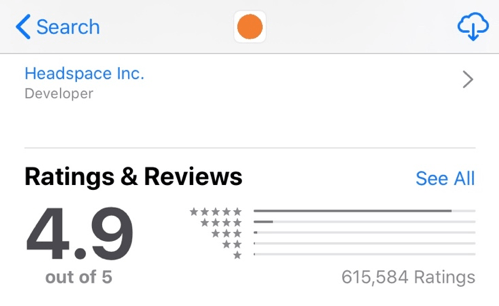
Current Ratings: 4.9 (616k ratings) and rated #10 in Health & Fitness Apps
#2: Healthier: Break Reminder

Developer: LessApp

Price: $3.99

Available for: macOS 10.13 or later, 64-bit processor

Description: Research has shown that prolonged sitting in front of a computer not only adversely affects your health, but also decreases productivity. This app helps with both issues by periodically reminding the user to take breaks from their computer. It also suggests healthier tips that are hand-picked and suitable for both your body and eyes that are easy to follow during the scheduled breaks.

Link to Healthier: Break Reminder

App Rating: 4.4 (26 ratings) & #7 in Health & Fitness Apps

#3: Aaptiv: #1 Audio Fitness App

Developer: Aaptiv Inc.

Price: Free (in-app purchase)

Available for: Apple devices (iOS 10.0 and above), Android, Windows Phone or Blackberry

Description: This app lets you work out when you want, where you want, and the way you want. This app provides you with unlimited access to audio-based fitness classes that are led by certified personal trainers. At the same time, you are able to listen to and find the perfect rhythm that works for you. On top of that there are over 2,500 different workouts ranging from running, elliptical, race training, rowing, strength training, stretching, yoga, and so much more.

Link to Aaptiv Website

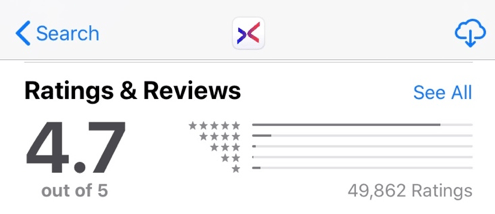
App Rating: 4.7 (50K rating) & Editors Choice Award
These three apps are great resources that will encourage a healthier year and a healthier you. Download them, use them regularly and encourage your friends to do the same!

Debunked Myths about the Benefits of Physical Activity

I’m sure you remember; my goal of this blog is to spread awareness regarding the benefits of physical activity on your health! See my previous Blog post, Whole Health Benefits, for a refresher if needed.  Today I will debunk some common myths regarding what fit looks like, what constitutes physical activity, when to stretch, and the variance in body type between men and women. 

#1 Someone who is thin is fit.

FALSE: According to HealthLinkBC, being fit means that you have strong and healthy heart, lungs, muscles, bones, and joints. Just because someone is thin or normal weight doesn’t mean you can run a long distance or open a heavy door. Rather, regular physical activity and balanced eating can help you stay at a healthy weight and prevent disease.

#2 Physical activity only counts if you do it for long periods of time.

FALSE: You don’t have to be active for long periods of time to get the recommended amount of regular physical activity (according to Physical Activity Guidelines for Americans) which consists of at least 150 minutes, or 2 hours and 30 minutes, of moderate-intensity physical activity per week (NIH).

Instead of thinking of this recommendation as a daunting amount of time dedicated to physical activity, break it up into smaller chunks, like 10 minutes throughout the day. For example, while at work or at school take a 10-minute brisk walk during your break. Or have a standing meeting or class instead of a sitting meeting. Take the stairs rather than the elevator or meet a friend for a walk instead of a meal. All of these are simple great options to implement into your daily routine and after a bit you will come to realize that you are more productive, alert and are in better mood with minimal effort.

#3 No pain, no gain.

FALSE: There is a difference between being sore and experiencing pain when exercising. Muscle soreness, minor aches, and breathing harder are normal aspects of becoming more active. SHARP pain is not ok when exercising and remember to start slowly and progress slowly to avoid injury (HealthLinkBC).

#4 Lifting weights makes you gain weight and bulk up.

FALSE: According to HealthLinkBC, fat cells actually get bigger when you are inactive and smaller when you are more active. If you want to start lifting weight, but are afraid of getting bulky muscles, you can begin by lifting 3 times a week with higher number of repetitions and a lighter weight.

#6 Stretch before you exercise

FALSE: According to WebMD, stretching before exercise has not been proven prevent injury, curb muscle soreness after exercise, or improve your performance. Studies have shown that static stretching before exercise can weaken your performance, especially in sprinters and holding a stretch tires out your muscle. Instead, you should warm up by doing dynamic stretches, similar to your workout but lower intensity. Examples of dynamic stretches before a run could include a brisk walk, walking lunges, leg openers, high knees, or butt kicks.  

#7 Exercise can erase my bad eating habits

FALSE: In order for your physical activity or exercise to be beneficial, you need to eat healthy as well. In a sense you are feeding your body with the necessary fuel when you eat and especially when you are exercising regularly.  About 80% of what you look like is based on diet and it’s a calorie game between the amount of appropriate food you should eat and how much you’re exercised. If you are beginning to work on your health and eating healthy, it can take some time and effort. Instead of jumping 100% in, take little steps and begin substituting healthier food options into your daily meals. According to WebMD, the combination of healthy eating and exercising regularly is the ideal combination for losing weight.

#8 Women need different exercises than men.

FALSE: When it comes the fitness, men and women are from the same planet – really! Both have the same body structure, the only difference between men and women is their hormonal make-up which can influence muscle strength, but this does not mean that women should work out differently than men. When you are thinking of a stereotypical man working out, they focus on abs, chest and arms; while women often focus on glutes and legs. Unfortunately, both are neglecting half their bodies.

So, there you have it some myths debunked regarding the benefits of physical activity on your health. It is easy to find at least one piece of information to back up your claims like: WebMD, WHO, PubMed, or Twitter @jmjakicic. It is also beneficial to keep in mind that there are some unreliable sources and pointer to look out for, refer to my previous post (Just the Facts Ma’am).

How does the internet know that I am interested in becoming physically active?

Have you been on a website or social media accounts like YouTube and noticed the advertisements tailored towards workout clothes or new running shoes? It may be a subtle reminder that you were recently looking at new workout clothes after learning about all the benefits that are associated with physical fitness. 

In a TedTalk by Jennifer Golbeck, she gave an example of how Target provides advertisements for items you were looking at on other websites. An example of this would be that you are about to start a workout program with a friend and were getting ready to implement it into your routine in about a month. Target, for example noticed that you were shopping online for new running shoes, healthier foods, food containers, free weights, and workout clothes. Most likely later when on you are the internet, advertisements will pop up for products that you were recently searching for. Don’t be alarmed, just be aware that the internet uses your search history to provide you with advertisements for the products you were online shopping for will pop up on other websites. This tactic is used in hopes that you will buy their product.

This also works with Facebook “likes” where companies track your habits on your search history and then often provide advertisements on social media or websites. In this way, Jennifer describes users of Facebook as products, not users based on their likes

As addressed earlier there are many benefits of physical activity outside of physical appearance like mental health, social benefits, and emotional health benefits. To learn more, refer to my previous post (Whole Health Benefits of Exercise). Additionally, as you are making an effort towards a healthier lifestyle and thinking about including physical activity into your routine, you should be careful of where you are getting your information. There are some websites that have legitimate science behind them and other that are not as reliable and should be avoided. To learn more, refer to my last post (Just the facts Ma’am).

Blog and Social Media Disclosure

The goal of my blog is geared towards health promotion and the benefits of physical activity on your health. I am not using this blog to a make profit or gain data from any of my followers. I will not be using copyrighted material or plagiarizing data without giving credit to my sources.

Social Media Accounts My campaign GetOutside is on Vimeo.

To learn more from experts about social media, in regards to how your personal information is portrayed on the internet.

Del Harvey: Protecting Twitter Users (sometimes from themselves).

Juan Enriques: Your online life, permanent as a tattoo.

Jennifer Golbeck: The Curly Fry Conundrum: Why Social Media “Likes” Say More Than You Might Think.

Alex Goldman: The Snapchat Thief

Just the Facts Ma’am

I am very passionate about exercise because it has multiple effects outside of physical fitness like mental, social, and emotional benefits. I can’t imagine my life without daily exercise! To read more in-depth information, please refer to my previous blog.

Let’s decipher what are reliable versus unreliable sources when considering one’s health.

What to lean on (reliable sources):

These resources are peer reviewed and often authors of these articles have advanced degrees in what they are addressing usually in various health fields namely, Public Health, Kinesiology or Nursing for our instance.

The Mayo Clinic is a reliable source for medical information. They are a nonprofit organization committed to clinical practice, education and research providing expert, whole-person care to the community. This organization provides thousands of peer reviewed research articles along with educational opportunities in the medical field.

If you want to learn more about some of the benefits of physical activity addressed in my previous post, this organization has a great article where they break it down into, providing the 7 Benefits of Regular Exercise. Give it a read if you are still on the fence about the benefits of exercise, it has simple and great information on how exercise improves your life. It sure took me a while to agree to it.

National Center of Biotechnology Information, also known as (NCBI) or National Institute of Health (NIH) is another reliable source providing access to biomedical and genomic information. They provide research articles where scientists perform experiments regarding the particular topic at hand. This is a primary resource where the writer breaks down the outcomes and findings of the study at hand.

If you want to learn more about what the NCBI has to say about the Health benefits of physical activity: the evidence, read this reliable source. They confirmed that there is irrefutable evidence of the effectiveness of regular physical activity in the primary and secondary prevention of several chronic diseases and premature death. It’s a dry read but the takeaway is “Get up and exercise now!”

Center of Disease Control (CDC) is a very well-known resource in the health and public health field. This organization is one of the major operating components of the Department of Health and Human Services. The CDC works to protect America’s health, safety and security threats, both foreign and in the US. Whether the diseases start at home or abroad, are chronic or acute, curable or preventable, human error or deliberate attack, the CDC is your source for information.

To learn more about what this organization has to say about the effects of physical activity on your health, give it a read. This particular article addresses the effects physical activity has on physical aspects like (weight management), reduction in chronic diseases like cardiovascular disease, type 2 diabetes, metabolic syndrome (too much fat around your waist), reduce your risk of some cancers, strengthen your bones and muscles, and increase your chance of living longer. You’re body is begging you to get moving!

What NOT to lean on (unreliable sources):

Now let’s look at some sources that aren’t as reliable like social media sites. These sites often have skewed results because their content is often platformed to a specific audience. Most importantly researchers rarely account for them and the expert knowledge is not taken into consideration when producing posts or information. Some websites might even look legit, but they are missing a couple important aspects that make a website or article credible. This includes an author, date of research, credible sources cited, writing style, site design and domain. Websites like these that have “.com” can be purchased and used by any individual. Instead more credible sources often end in “.edu” or “.gov”.

Pinterest for example has wide variety of resources but most have no scientific basis, so you have to take the information with a grain of salt. Yes, Pinterest would have good ideas for catchy new exercise workouts, but they don’t know your medical condition, and instead reference the entire population. They grab your attention with pictures and graphs, but have no reliable sources.

Facebook is another website that I would not recommend. Mostly everyone reading this knows or has an idea of what Facebook is about. Often people use it to connect with old friends, plan events and see events going on the area. This by all means is not a great source to get reliable information because almost always Facebook contains opinions, not facts. Steer clear of Facebook for factual information on benefits of physical activities on your health. Instead, I would use FB to join up with friends to hike the new trails together. 

Websites like this may look reliable but do they check all the credible criteria boxes, I assume not. This article may have been published in what looks like a newspaper but is it written by expert, nope! 

Take Away

By now you are an expert in what to look for when reading a reliable source for the benefits of exercise. I hope you learned something new and will be putting the information to good use by spending more time outdoors for your overall health and wellbeing. Let the adventures begin and all the added benefits as well!

Whole Health Benefits of Exercise

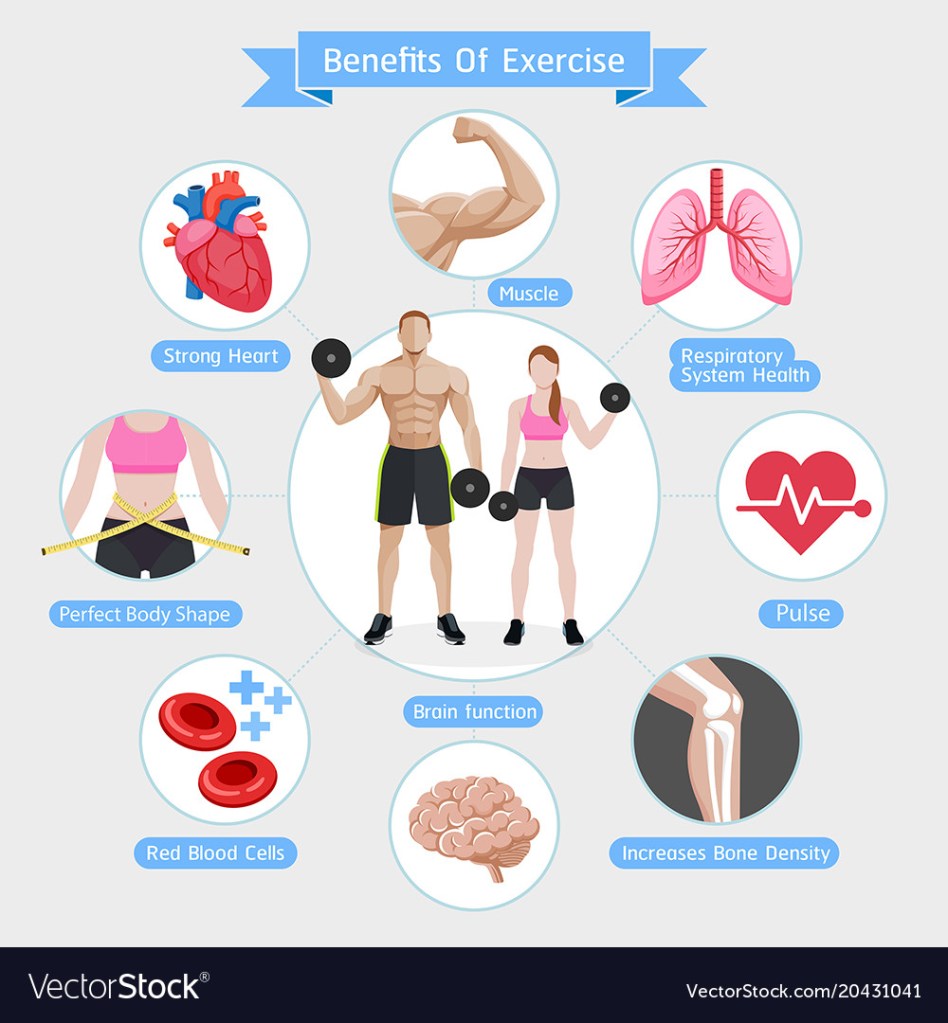
Benefits of exercise. Vector illustrations diagram.

You probably already know that exercise is good for your body. But did you know exercise also has a positive effect on your mental, emotional, and social well-being?

When most people think of the benefits of exercise, they often only think of the physical effects. In fact, there are multiple benefits of exercise namely mental, emotional, and social effects.

First, let’s begin with the benefits of exercise on your physical health. Studies have shown that exercise can help control your weight. In addition, it can help prevent excess weight gain, maintain healthy weight or promote weight loss. People often make the excuse that they “don’t have time in their busy schedule to exercise” but any exercise is better than none, even taking the steps over the elevator. Additionally, regular exercise can decrease your risk of health-related diseases like stroke, type 2 diabetes, and high blood pressure.

Secondly, exercise can have positive effects on your mental and emotional wellbeing. This can include, but is not limited to decreasing depression, anxiety, and stress. Studies have shown that exercise can treat mild to moderate depression as effective as antidepressant medication. A recent study conducted in Harvard T.H. Chan School of Public Health showed that “running for at least 15 minutes per day or walking for an hour reduces the risk of depression by 26%.”

Exercise has a large impact on your brain activity, from neural growth to releasing endorphins that make you feel ‘good’. It is also a time where you can process all the negative experiences of the day and be thankful for what you do have, releasing all these thoughts that may be a product of depression.

In terms of anxiety, exercise is a natural and effective anti-anxiety treatment. This is achieved by relieving tension and stress and increasing physical and mental energy and all done through endorphins. When your body is under stress, your neck, face and shoulders tense up and some individuals may experience a stomachache or diarrhea. Thankfully, exercise can help eliminate these symptoms by relaxing your muscles and relieving tension. This is easily achieved because your brain and body are very closely connected.

Thirdly, there are social benefits of physical exercise. This is true no matter if it’s a running group, hiking club, or a yoga class. You are interacting, talking, and meeting new people who are interested in similar activities or interests as you. Studies have shown that having positive social relationships improves your self-esteem and self-confidence. This is a very important skill to have because it can help you in other aspects of your life, namely work, community or school group projects and with this you are now equipped to work well with others.

If that isn’t enough of a reason to get off the couch, there are additional hidden benefits of exercise including better sleep, mood and energy booster, and a better a sex life. Who wouldn’t appreciate that! All in all, after learning about the benefits of exercise I hope you can begin to implement exercise into your daily routine. And if exercise is a part of your routine, begin to reflect back on this and see if you are getting all of the benefits of exercise listed above for yourself.

Design a site like this with WordPress.com
Get started